

US rail safety relies entirely on how fast your dispatchers spot a rolling defect and kill the track signal. Upgrading your railway control room fixes the blind spots by hammering scattered telemetry into one interface, stopping human fatigue, and slashing emergency response times across freight and passenger corridors. When you rip out legacy copper-wire infrastructure and replace it with centralized digital command desks, your field incident rates drop immediately.
At Swartz Engineering, we build custom power and control modules for heavy industrial rail systems across the United States. We see the exact same breakdown every day: dispatchers staring at five different screens for track analytics, signaling, and radio comms. It is a recipe for a catastrophic derailment. Modernizing the hub changes the game entirely.
Key Takeaways
- Centralized Data Feeds: Scrap separate terminals and lock real-time rolling stock metrics into one terminal.
- Ergonomic Operator Upgrades: Stop human error cold by deploying dark-mode dashboards that stop eyes from glazing over at 3:00 AM.
- Automated Safety Interlocks: Bypass manual cross-checking to drop track signals the second an axle sensor trips.
- Predictive Asset Monitoring: Catch thermal hotboxes and track warping before a freight car jumps the rails.
Why Is Legacy Equipment Threatening US Rail Network Stability?
Older command hubs cannot keep pace with modern ton-mile demands, resulting in delayed situational awareness and dangerous data silos. Outdated railway control room hubs rely heavily on asynchronous data packets that refresh every few minutes instead of streaming live. When a Class I freight line runs 10,000-foot consists back-to-back, a three-minute data lag means your dispatcher is reacting to a past that already changed, increasing collision risks.
How Do Integrated Telemetry Feeds Lower Operational Risks?
Consolidating GPS train tracking, hot bearing detectors, and wayside interface units into a single pane of glass gives dispatchers absolute clarity. The average dispatch floor forces an operator to look at a signaling monitor, look down at a radio unit, and check a third monitor for weather alerts. Upgrading your railway control room layout means engineering a unified workstation where wayside defect data overlays directly onto your track geometry maps.
Technical Execution: Tie fiber-optic field lines directly to centralized processing units to eliminate packet drops.
ROI Strategy: Minimize track-maintenance delays by routing automated work orders directly from track sensors.
Risk Mitigation: Implement hardwired fail-safes that preserve signal control even during a localized grid outage.
The 4-Phase System Modernization Framework
- The Infrastructure Audit: Field technicians map every legacy RS-232 serial port and analog relay across the yard.
- The Backbone Overhaul: Lay redundant fiber-optic lines and install heavy-duty Swartz industrial power distribution units to stop voltage sags.
- The Interface Consolidation: Write custom software scripts to combine track signaling and radio communications into a single dashboard.
- The Ergonomic Deployment: Install custom sit-stand consoles, acoustic dampening panels, and specialized low-glare LED arrays.
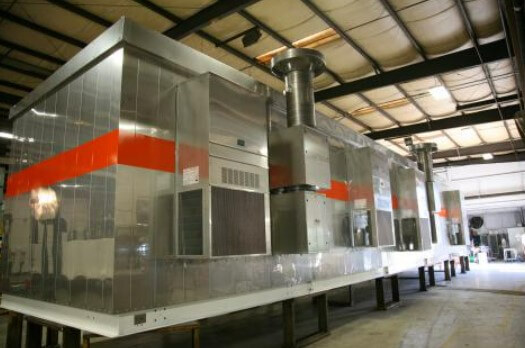
GET IN TOUCH
The ultimate solution for reliable power control! call us at 276-285-3841
What Is the Fastest Way to Wipe Out Operator Error and Fatigue?
Smashing human error requires you to deploy automated alert suppression and color-coded UI frameworks that filter out background noise. Dispatchers do not miss track obstructions because they lack training; they miss them because their boards scream at them 800 times a shift with low-priority maintenance alerts. A modern railway control room uses smart alarm shelving to isolate critical hotbox warnings while filing routine component updates quietly into the background logs.
Industry Insight: True information gain does not come from tracking more data points; it comes from tracking fewer, higher-quality signals. If your dispatch team spends more than five seconds verifying whether an alarm is critical or a glitch, your command room layout is fundamentally broken.
How Do Upgraded Dispatch Consoles Save Seconds During a Derailment Event?
Modern command architectures use automated emergency scripts to kill power and drop track signals the moment field sensors detect a line break. If a train triggers a dragging equipment detector on a remote mountain pass, older systems rely on the operator manually making a radio call to stop oncoming traffic. An upgraded command network drops the signal ahead of the blockage automatically, notifying emergency personnel and field maintenance crews simultaneously within milliseconds.
- Wayside Interface Unit: A trackside processor that translates physical sensor data into actionable network alerts.
- Hot Bearing Detector: Infrared track sensors used to flag overheating axles before they snap under load.
- Interlocking Command: A safety mechanism that prevents conflicting train movements on intersecting tracks.
- Positive Train Control (PTC): Integrated safety software designed to automatically slow or stop a train if the engineer fails to act.
Putting Your Rail Safety Upgrades into Motion
Upgrading your railway control room is not an aesthetic building remodel; it is a gritty, technical overhaul designed to save lives and protect your operational bottom line. By crushing data delays, automating critical alerts, and building stable power architectures, you eliminate the single points of failure that cause system-wide rail shutdowns. Swartz Engineering builds the heavy-duty power systems and control configurations required to keep American rail moving safely.
Call Swartz Engineering today to review your infrastructure blueprints, schedule a rugged site evaluation, and modernize your network command desks before legacy components spark your next line delay.
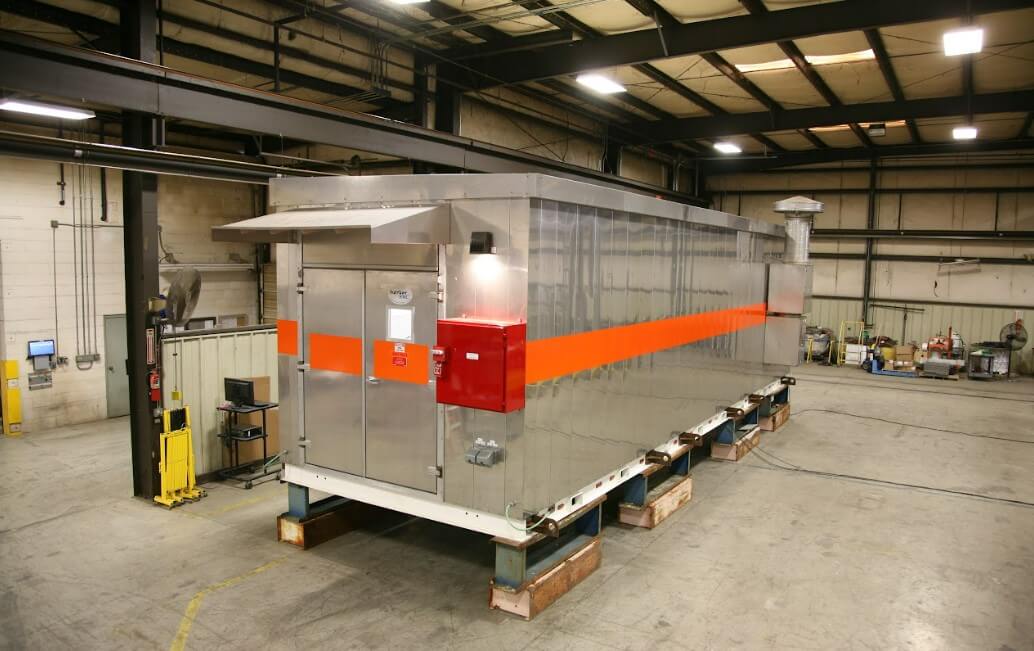
GET IN TOUCH
The ultimate solution for reliable power control! call us at 276-285-3841
Frequently Asked Questions
Q: What is a railway control room used for?
A: A central command facility manages all train movements, track switching, signal deployments, and emergency field communications across a specific rail territory. It serves as the main decision hub, keeping freight and passenger trains separated safely.
Q: How does upgrading a railway control room improve safety?
A: Upgrades eliminate system blind spots by centralizing raw telemetry data and utilizing automated scripts to instantly trigger safety protocols. This slashes the time it takes an operator to see a track hazard and drop emergency signals.
Q: What technologies are used in modern railway control rooms?
A: Modern centers deploy unified software dashboards, automated alarm filtering systems, fiber-optic telemetry lines, and highly specialized ergonomic console setups. They replace old analog patch panels with reliable, digital command terminals.
Q: Why is real-time monitoring important in rail operations?
A: Live tracking prevents dispatchers from making critical routing decisions based on stale track location data, which can cause collisions. It allows crews to react to shifting weather, track warping, or broken equipment instantly.
Q: Can upgraded control rooms prevent rail accidents?
A: While it cannot stop a mechanical component from failing, an upgraded hub ensures that failures are flagged and contained before causing a major derailment. Better communication keeps small track issues from spiraling into massive accidents.
Products We Offer
Swartz Engineering strives to provide top-quality products to achieve our customer's needs. Our products include:
- Type 76 DC Relay
- Type 82 DC Relay
- Swartz Engineering’s Type 64 Ground Relay
- Type 32 Reverse Current Relay
- Type 150 DC
- CSM Shield Monitor
- Metal Oxide Surge Arrestors
- Transducers
- MVIS SL Slim-line Contactor
- Fully-tested Power Control Rooms
- Swartz Engineering’s Portable Substations
For nearly half a century, we have proudly led the industry in ensuring safety and efficiency. Swartz Engineering is a trusted family-owned company dedicated to providing top-notch power distribution solutions for the electrical industry. Contact us today