Modern heavy rail and transit networks demand absolute electrical reliability to keep passenger cars running safely on tight municipal schedules. At the focal point of this mass transit infrastructure sit railway substations, heavy-duty hubs where specialized control setups distribute, track, and shield electricity across miles of high-voltage lines. When these internal systems fail, municipal transit authorities face volatile voltage drops, blown switchgear, cascading service blockages, and soaring emergency maintenance invoices. Swartz Engineering builds customized, field-tested electrical hardware throughout the United States to maximize system reliability, shield multimillion-dollar assets, and protect long-term public infrastructure investments.
Key Takeaways
- Maintain Grid Safety: Specialized electrical regulation ensures railway substations run safely, efficiently, and without catastrophic power faults.
- Track Live Data: Modern industrial control setups provide live telemetry, automatic ground fault detection, and remote switching operations.
- Prevent Equipment Failures: Data-driven monitoring schedules prevent unexpected service blackouts and stretch the operational life of heavy transformers.
- Deploy Automated Breakers: Smart automation upgrades track worker protection while expediting immediate isolation of dangerous line surges.
- Build Rugged Solutions: Swartz Engineering delivers custom-engineered industrial power panels that keep critical transit lines running reliably.
Why Is Power Supply Control Important for Railway Substations?
Substation automation panels lock down incoming line voltages to prevent catastrophic traction network failures. The reality on the ground is that transit power grids take a massive beating every time multiple train sets accelerate out of terminal hubs simultaneously. These extreme, instantaneous load swings require millisecond-level telemetry adjustments to prevent equipment destruction.
Effective power supply control maintains steady voltage baselines while shielding fragile oil-filled transformers, metal-clad switchgear, and magnetic circuit breakers from high-amperage faults. Field crews rely on these intelligent panels to pinpoint thermal overloads before the copper windings inside an expensive transformer melt completely.
What Components Make Up an Effective Railway Substation Control System?
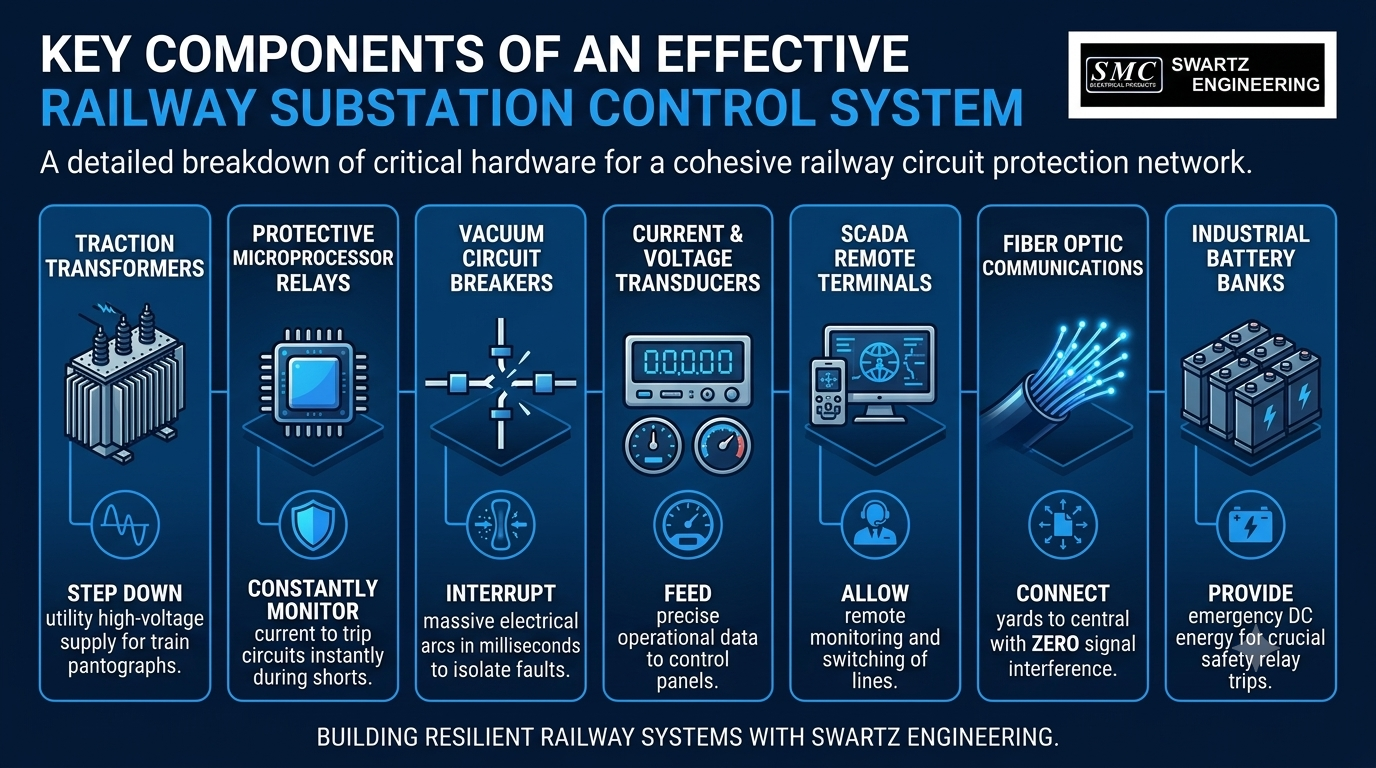
Modern railway traction installations tie multiple heavy-duty power components together into a single, cohesive circuit protection network. Here is the concrete hardware breakdown required to survive brutal daily line surges:
- Traction Transformers: Step down utility high-voltage supplies to the specific AC or DC current lines required by train pantographs.
- Protective Microprocessor Relays: Monitor current flow constantly to trip circuits instantly during line-to-ground short circuits.
- Vacuum Circuit Breakers: Interrupt massive electrical arcs within milliseconds to isolate faulty track sections safely.
- Current and Voltage Transducers: Feed precise analog and digital operational data back into the main control house panels.
- SCADA Remote Terminals: Allow central dispatchers to monitor line status and throw high-voltage switches remotely from miles away.
- Fiber Optic Communication Links: Connect isolated rail yards directly to central dispatch hubs with zero signal interference from high voltages.
- Industrial Battery Banks: Provide emergency direct-current backup energy to ensure safety relays trip even during total utility grid blackouts.
GET IN TOUCH
The ultimate solution for reliable power control! call us at 276-285-3841
How Does Advanced Power Supply Control Improve Railway Operations?
System Reliability
Unexpected traction power outages leave passenger cars stranded, stall supply chains, and burn through public operating budgets. Implementing advanced digital telemetry lets field maintenance teams get ahead of the curve.
- Catch Grid Faults Early: Identify subtle insulation breakdown inside underground cables before they cause total line failures.
- Ditch Reactive Repairs: Move away from costly emergency truck rolls by managing small equipment defects during scheduled graveyard shifts.
- Stabilize Track Voltages: Keep line voltages steady across distant stretches of third rail, preventing train propulsion systems from tripping off-line.
- Extend Equipment Life: Stop running high-dollar oil transformers to failure by tracking thermal limits continuously.
Enhanced Safety
High-voltage traction environments feature extreme arc-flash hazards that require uncompromising automated safeguards. Modern control logic isolates dangerous electrical faults faster than human hands ever could.
- Snuff Out Overloads: Drop over-current lines instantly before terminal equipment catches fire.
- Isolate Blown Lines: Section off damaged overhead catenary wires automatically to keep neighboring rail lines running safely.
- Protect Track Crews: Lock out high-voltage breakers digitally to ensure field mechanics don't face accidental line re-energization.
- Prevent Cascading Outages: Stop a localized line fault from traveling up the chain and knocking out main utility supply points.
Greater Energy Efficiency
Trimming down transmission waste reduces monthly utility bills while satisfying local clean-energy mandates. Smart distribution panels optimize how power moves through your rail network.
- Balance Track Demands: Distribute electrical traction loads evenly across multiple regional substations to eliminate line congestion.
- Capture Regenerative Braking: Route dynamic braking energy from slowing trains back into the grid instead of wasting it as heat.
- Slash Line Losses: Reduce localized voltage drops by adjusting transformer tap changers dynamically based on real-time train traffic.
Lower Maintenance Costs
Transitioning to data-backed, condition-based infrastructure monitoring changes how rail yards deploy mechanical service crews. Continuous tracking replaces arbitrary calendar-based maintenance schedules.
- Monitor Contact Wear: Track the physical breakdown of internal circuit breaker contacts based on total fault interruption counts.
- Optimize Part Budgets: Replace expensive components only when real-time sensor data proves the asset is nearing actual mechanical failure.
- Minimize Emergency Overtime: Prevent costly midnight emergency call-outs by catching failing control relays during daylight hours.
Where Is Power Supply Control Used in Modern Railway Infrastructure?
Different transit applications present vastly different electrical load profiles that demand adaptable control systems. Rugged power supply control panels allow transit lines to scale up capacity cleanly as passenger volumes grow over the years.
The Transit Application Breakdown
|
|
|
|
|
|
|
|
|
|
|
|
|
|
|
|
|
|
|
|
|
|
|
|
How Is Automation Changing Railway Substation Management?
Automated substation panels eliminate the dangerous delay of manual line inspections and old-fashioned mechanical switching. Here is the part most contractors won't tell you: relying on manual switch operations in the modern rail era is an operational liability. Smart industrial PLCs monitor line telemetry 24 hours a day, reacting to short circuits in a fraction of a second.
- Real-Time Thermal Tracking: Monitored sensors catch hot spots inside switchgear enclosures before components melt down.
- Remote Breaker Control: Dispatchers clear track faults safely from central desks without stepping into dangerous arc-flash zones.
- Instant Outage Mapping: Smart relays pinpoint the exact location of downed catenary wires, getting repair trucks rolling instantly.
- Automated Trend Logging: Systems log every voltage dip and breaker trip, providing perfect digital records for compliance audits.
Why Should Railway Operators Choose Experienced Engineering Partners?
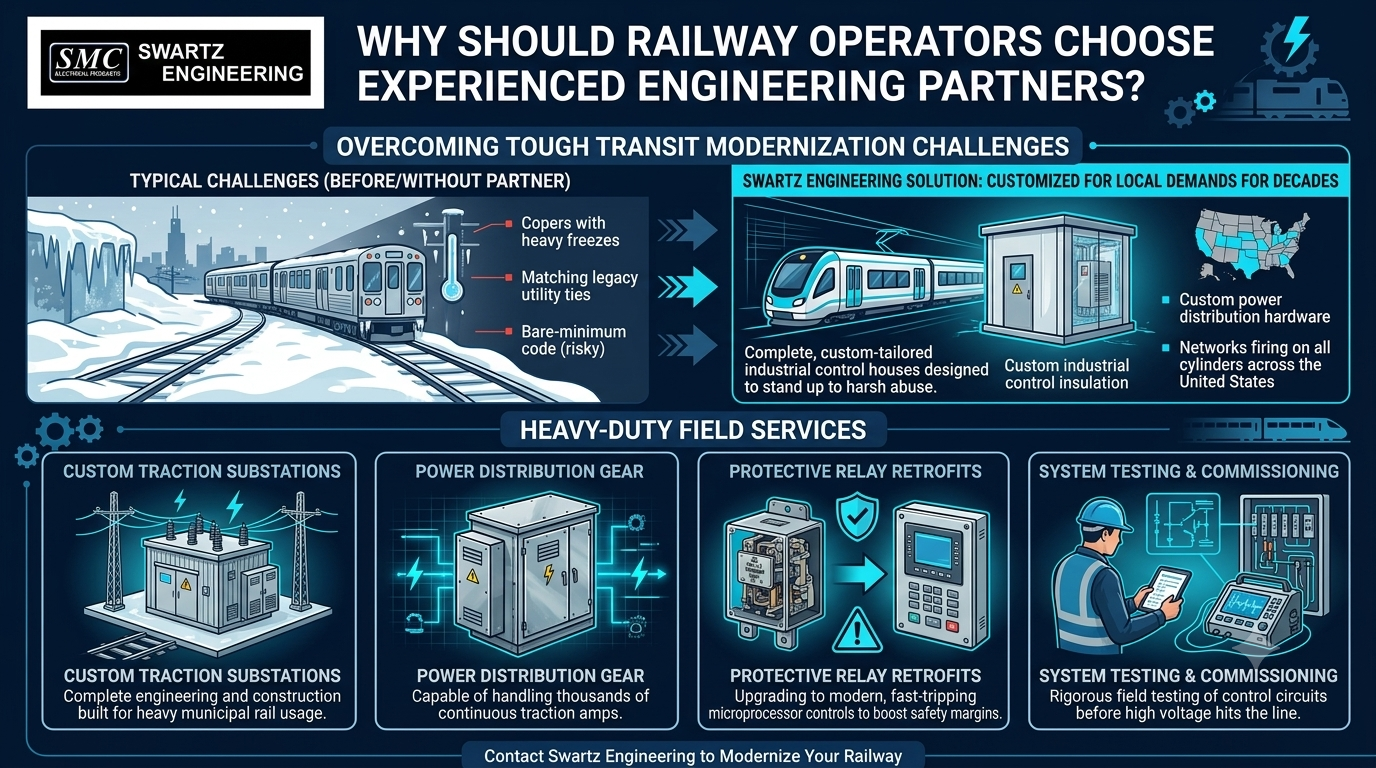
Every transit modernization project brings tough site challenges, from coping with heavy Chicago winter freezes to matching legacy utility ties. A properly engineered control setup must be customized to handle these local demands for decades, rather than just meeting bare-minimum electrical codes.
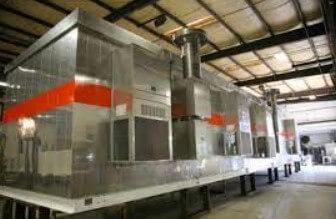
Swartz Engineering specializes in building heavy-duty, custom power distribution hardware that keeps transit networks firing on all cylinders across the United States. Our shop builds complete, custom-tailored industrial control houses designed to stand up to the harsh daily operational abuse.
Heavy-Duty Field Services
- Custom Traction Substations: Complete engineering and construction of turnkey traction power hubs built for heavy municipal rail usage.
- Power Distribution Gear: Rugged, metal-enclosed switchgear enclosures capable of handling thousands of continuous traction amps.
- Protective Relay Retrofits: Upgrading old mechanical relays to modern, fast-tripping microprocessor controls to boost safety margins.
- System Testing & Commissioning: Rigorous field testing of control circuits to verify perfect operation before high voltage hits the line.
GET IN TOUCH
The ultimate solution for reliable power control! call us at 276-285-3841
Action Plan: Modernizing Your Traction Power Grid
- Conduct a System-Wide Audit: Have field engineers evaluate the physical condition and response times of your current substation relays.
- Deploy Modern Microprocessor Relays: Swap out failing legacy mechanical switches for digital units that talk directly to SCADA networks.
- Verify Remote Control Upgrades: Confirm your central dispatch team can isolate and track sections instantly without sending techs into the field.
Securing Your Transit Infrastructure
Upgrading your network's electrical infrastructure protects your budget from sudden equipment failures and expensive rush repairs. Book a Call with Swartz Engineering to discuss custom engineering solutions built for long-term power supply control reliability.
Frequently Asked Questions
Q: What does a railway substation power panel actually do?
A: These specialized industrial control panels continuously monitor, regulate, and distribute high-voltage utility power, converting it into steady traction energy while shielding rail equipment from catastrophic grounding faults.
Q: How do power spikes from accelerating trains damage old substations?
A: When massive electric trains draw huge currents simultaneously, it creates sudden thermal stress and voltage drops that degrade old transformer insulation and pit circuit breaker contacts over time.
Q: Why is remote SCADA control vital for commuter train safety?
A: Remote monitoring allows central operators to kill live track power instantly during derailments or trespasser emergencies, avoiding the dangerous delays of dispatching a technician to throw manual switches.
Q: How does condition-based testing reduce rail operating budgets?
A: Instead of guessing when to service expensive gear, maintenance crews use live digital telemetry to fix worn transformer components right before they fail, avoiding total equipment replacement costs.
Q: What makes industrial traction enclosures different from standard factory gear?
A: Traction enclosures are custom-built with heavy-duty structural steel and massive copper busbars engineered specifically to survive continuous, extreme short-circuit shocks and dirty rail-yard environments.
Our Expert Services
Swartz Engineering provides top-quality products to achieve our customers' needs. We also make sure our products work reliably and safely. Our products include:
- Type 76 DC Relay
- Type 82 DC Relay
- Swartz Engineering’s Type 64 Ground Relay
- Type 32 Reverse Current Relay
- Type 150 DC
- CSM Shield Monitor
- Metal Oxide Surge Arrestors
- Transducers
- MVIS SL Slim-line Contactor
- Fully-tested Power Control Rooms
- Swartz Engineering’s Portable Substations
Contact Us
If you have a need for regular mobile power solutions, backups, or temporary power solutions, Swartz Engineering can deliver the crucial systems in a custom build for your needs. Contact us today to learn more about our mobile substation designs.