
High-speed rail networks operate on razor-thin margins where minor electrical fluctuations cascade into cascading infrastructure failures. Maintaining traction power stability demands immediate, accurate data metrics. Rugged voltage transducers serve as the technical backbone of this monitoring process, stepping down dangerous line levels into usable control telemetry.
Key Takeaways
- Isolation Safeguards Systems: Advanced voltage transducers decouple dangerous kilovolt-level traction lines from delicate logic circuits.
- Millisecond Response Times: High-speed rail dynamics require instant signal conversion to catch transient faults before equipment fries.
- Survives Harsh Trackside Environments: Equipment must endure intense ballast vibration, temperature swings, and electromagnetic fields.
- Optimizes Energy Capture: Accurate telemetry allows systems to safely harvest and route regenerative braking power back to local grids.
What Are Voltage Transducers and How Do They Protect Rail Systems?
Voltage transducers are specialized industrial sensors that scale down hazardous, high-amplitude electrical potentials into low-voltage analog or digital outputs. These scaled signals allow automated programmable logic controllers (PLCs) and substation telemetry systems to safely track line conditions. Without this physical and electrical separation, direct monitoring would instantly vaporize standard control station electronics.
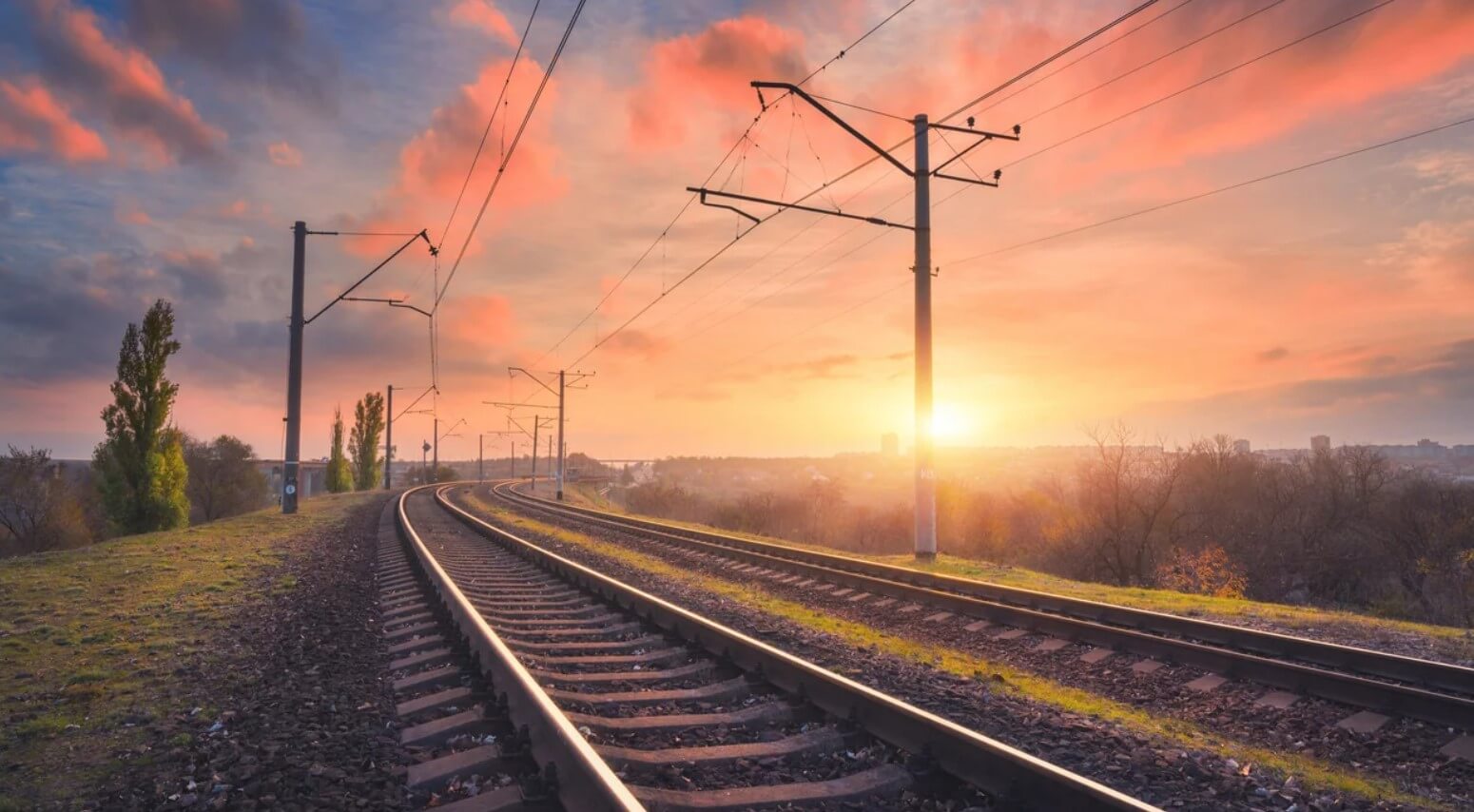
The frontline reality of heavy rail electrification is brutal. Traction substations push thousands of volts into overhead catenary wires to keep trains moving at peak speeds. Operators cannot just wire a standard meter directly to a 25kV line without lethal risks.
Voltage transducers solve this challenge by creating a reliable electrical firewall. They deliver consistent feedback loops that protect expensive trackside switchgear, catenary structures, and onboard train systems from unexpected surges.
Why Does High-Speed Rail Demand Specialized Electrical Sensors?
1. Erratic Load Fluctuations
Locomotives draw massive current when slamming forward into acceleration and pump power backward during hard braking. These fast shifts generate extreme spikes that confuse basic, consumer-grade electrical components.
2. Severe Environmental Stress
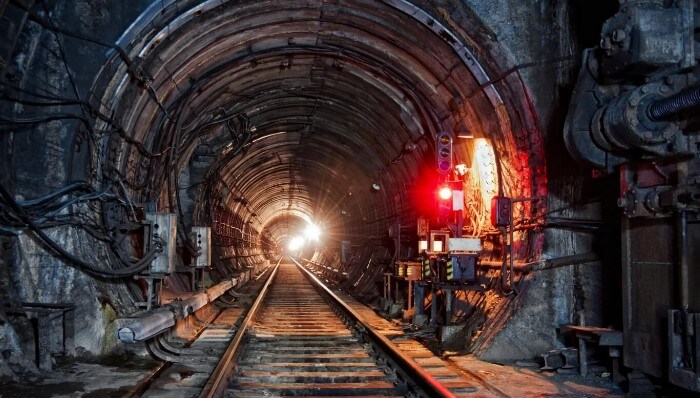
Trackside hardware lives out in the open elements year-round. Components must work reliably through:
- Constant mechanical pounding from passing multi-ton train wheels.
- Extreme seasonal shifts, from blistering summer heatwaves to freezing winter blizzards.
- Corrosive dust, heavy moisture buildup, and thick brake-shoe debris.
- Massive, localized electromagnetic interference (EMI) radiating off major traction lines.
3. Critical Safety Tolerances
A minor calculation drift from a cheap sensor can trigger a false emergency shutdown. Worse, it might miss a real ground fault completely, creating a massive safety hazard for maintenance crews.
4. Distributed Power Layouts
Modern high-speed rail systems rely on a complex grid of multiple substations spread over hundreds of miles. Every single node requires tightly synchronized monitoring tools to keep the broader network operating smoothly.
GET IN TOUCH
The ultimate solution for reliable power control! call us at 276-285-3841
How Do Industrial Transducers Optimize Trackside Performance?
Phase 1: Real-Time Grid Telemetry
Substation control software reads continuous sensor data to balance line distribution. This keeps overhead lines fully charged without overtaxing local power stations during peak travel hours.
Phase 2: Instant Fault Isolation
Insulation breakages or sudden lightning strikes create immediate voltage spikes. High-speed hardware detects these anomalies instantly, allowing circuit breakers to trip and isolate the damage within milliseconds.
Phase 3: Smart Regenerative Braking
Modern trains convert kinetic stopping energy back into electricity. Reliable sensors monitor this reverse energy flow, ensuring it matches the grid's capacity before feeding it back into the system.
Phase 4: Precision Protection Subsystems
Protective relays rely on clean, accurate data feeds to function correctly. Solid engineering ensures safety equipment trips exactly when it should, preventing unnecessary system-wide service delays.
Traditional vs. Heavy-Duty Rail Transducer Designs
|
|
|
|
|
|
|
|
|
|
|
|
|
|
|
|
|
|
|
|
Where Are Electrical Transducers Used Across Rail Infrastructure?
- Traction Substation Arrays: Monitors incoming utility feeds and regulates power going out to catenary wires.
- Onboard Locomotive Systems: Protects train-car propulsion units, auxiliary climate systems, and backup batteries.
- Energy Recovery Networks: Balances power levels during regenerative braking phases to optimize efficiency.
- Remote Trackside Nodes: Tracks line health in isolated regions to spot early grid drops before failures happen.
Homeowner & Field Technician Perspective: Spotting False Readings Before They Cause Meltdowns
"Out on the tracks, the biggest headache isn't a total system breakdown—it's dealing with a sensor that's slowly drifting out of calibration. If your telemetry hardware lacks proper shielding against electromagnetic noise, it will send ghost signals straight back to your control center.
Crews often waste hours hunting down phantom voltage drops that don't actually exist. Investing in heavily shielded, rail-certified hardware eliminates these troubleshooting wild goose chases from day one."
GET IN TOUCH
The ultimate solution for reliable power control! call us at 276-285-3841
What Solutions Does Swartz Engineering Offer for High-Voltage Sensing?
Swartz Engineering manufactures rugged industrial monitoring systems designed to survive extreme field environments. Our design strategy emphasizes long-term field survivability over theoretical bench specifications. We focus on building extra-tough signal conditioning systems that keep running smoothly in high-voltage environments.
Our flexible hardware configurations adjust easily to match various rail network designs. We prioritize strict compliance with international transit safety standards while providing hands-on engineering support for complete system installation. This hands-on approach ensures our equipment provides dependable accuracy under real-world operating stress, rather than just perfect laboratory conditions.
What Is Next for High-Voltage Rail Telemetry?
Shift to Digital Protocols
Older analog loops are being phased out for high-speed fiber-optic connections. This upgrade stops signal loss across long distances and eliminates electromagnetic interference.
Predictive Maintenance Systems
Modern sensor models connect directly with predictive AI analytics. These systems flag tiny performance changes early, allowing crews to repair components well before a hard failure occurs.
Compact, Modular Enclosures
Advanced materials allow us to build smaller components without losing isolation strength. This makes upgrading old, crowded control boxes significantly easier.
Smart Energy Management
Transit agencies are tuning systems to minimize power loss. High-precision measurement tools offer the clean data needed to reduce total power waste.
Ready to Upgrade Your Traction Substation Telemetry?
Maintaining a safe, profitable rail network requires removing guesswork from your electrical infrastructure. Upgrading to rugged voltage transducers from Swartz Engineering protects your sensitive control systems, reduces costly phantom faults, and keeps your operations running on schedule. Do not wait for a major spike to expose the weak points in your grid.
Call Swartz Engineering today to speak with an application engineer about your specific project needs.
Frequently Asked Questions
Q: What do voltage transducers do in high-speed rail setups?
A: They take high-voltage traction signals and convert them safely down into low, predictable outputs. This allows standard monitoring electronics to track grid performance without getting destroyed.
Q: Why do standard industrial sensors fail when installed trackside?
A: Standard options cannot handle the constant physical shaking from passing trains, heavy electromagnetic interference, and extreme outdoor weather changes.
Q: How do these components assist with regenerative braking?
A: They monitor the power spike created when a train uses its motors to slow down. This data helps the system safely route that recovered energy back into the main power grid.
Q: What is galvanic isolation, and why is it required?
A: Galvanic isolation physically separates the dangerous high-voltage line from the low-voltage control circuits. This path prevents dangerous currents from bridging over and damaging your monitoring hardware.
Q: How does Swartz Engineering verify sensor reliability?
A: We build our equipment with heavy-duty internal shielding, robust insulation layers, and solid housing designs. This ensures consistent calibration accuracy even when operating under harsh fieldwork conditions.
Products We Offer
Swartz Engineering strives to provide top-quality products to achieve our customer's needs. Our products include:
- Type 76 DC Relay
- Type 82 DC Relay
- Swartz Engineering’s Type 64 Ground Relay
- Type 32 Reverse Current Relay
- Type 150 DC
- CSM Shield Monitor
- Metal Oxide Surge Arrestors
- Transducers
- MVIS SL Slim-line Contactor
- Fully-tested Power Control Rooms
- Swartz Engineering’s Portable Substations
For nearly half a century, we have proudly led the industry in ensuring safety and efficiency. Swartz Engineering is a trusted family-owned company dedicated to providing top-notch power distribution solutions for the electrical industry. Contact us today