
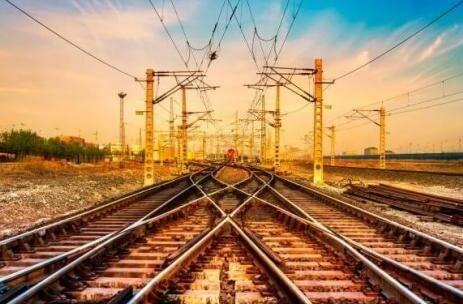
In the complex and demanding world of railway systems, safety and reliability are everything. Each second counts in keeping trains running, signals clear, and station operations uninterrupted. One vital but often underestimated element behind this safety is High Voltage Grounding. At Swartz Engineering, we know that grounding is more than a technical necessity—it’s the foundation of electrical safety. Our specialized High Voltage Grounding solutions are designed to protect personnel, ensure consistent performance, and extend the life of railway substation equipment. With decades of expertise across the USA, our team delivers engineered systems that power safe, efficient, and reliable railway operations.
Key Takeaways
- High Voltage Grounding ensures electrical stability and personnel safety in railway substations.
- Swartz Engineering provides customized grounding designs that meet international standards and match each site’s soil and layout conditions.
- Proper grounding protects equipment from faults, lightning, and electromagnetic interference.
- Sustainable materials and smart system designs prepare rail networks for future upgrades and expansions.
- Partnering with Swartz Engineering means long-term reliability, reduced downtime, and full compliance with safety standards.
Why High Voltage Grounding Matters in Railway Systems
Railway substations handle enormous electrical loads to power locomotives, signaling systems, and station operations. These facilities convert high-voltage electricity from utilities into usable levels for the railway grid.
Without proper High Voltage Grounding, however, the risks rise sharply — from electrical shock and fire hazards to severe equipment damage and operational failures. Grounding provides a safe route for fault currents to flow into the earth, stabilizing voltage and preventing dangerous electrical buildup.
In rail environments where power systems operate alongside signaling and communication lines, grounding also minimizes electromagnetic interference (EMI), ensuring reliable communication and signaling even during high electrical activity. That’s why a precisely engineered grounding system is a cornerstone of safe, modern railway infrastructure.
How Grounding Works in Railway Substations
Every substation is a network of transformers, breakers, switchgear, and control units — all interconnected through conductive grounding paths. When an electrical fault, lightning strike, or insulation failure occurs, the grounding grid safely channels excess current into the earth.
At Swartz Engineering, our grounding designs are carefully planned to manage these energy surges effectively while keeping step and touch voltages within safe limits. We focus on four key factors when designing systems:
- Soil Resistivity: Determines how easily fault current can dissipate into the ground.
- Fault Current Magnitude: Ensures the grid can handle the worst-case current safely.
- Substation Layout and Track Proximity: Optimizes electrode placement for consistent potential control.
- Integration with Signaling Systems: Minimizes electromagnetic interference and maintains reliable communication.
By tailoring each design to these variables, we deliver grounding systems that protect both people and infrastructure, even under the most demanding electrical conditions.
GET IN TOUCH
The ultimate solution for reliable power control! call us at 276-285-3841
Risks of Poor Grounding in Railway Substations
Neglecting proper grounding can lead to serious, costly consequences. Common risks include:
- Personnel Hazards: Stray voltages and fault currents can cause dangerous shocks or electrocution.
- Equipment Damage: Transformers, relays, and control systems are vulnerable to overvoltage and transient events.
- System Instability: Inadequate grounding leads to false signals, erratic tripping, or unexpected power loss.
- Operational Downtime: Electrical failures can delay trains and disrupt daily schedules — impacting thousands of passengers.
Swartz Engineering’s designs prevent these issues by ensuring rapid fault dissipation, voltage balance, and reliable system continuity.
Swartz Engineering’s Proven Approach
Our High Voltage Grounding solutions follow a proven engineering process built around precision, compliance, and performance.
1. Site Evaluation and Soil Testing
We begin with detailed soil resistivity testing to understand how current behaves underground. This helps us plan efficient grounding layouts tailored to the site’s conditions.
2. Custom Grounding Grid Design
We design a grounding grid that accounts for voltage levels, fault magnitudes, and station geometry. This design minimizes step and touch voltages and ensures uniform potential distribution.
3. Lightning and Surge Protection Integration
Each system incorporates surge arresters, shield wires, and lightning rods to defend against natural electrical discharges.
4. Simulation and Modeling
Our engineers use advanced modeling tools to simulate current flow and predict potential gradients, ensuring optimal safety under all operating conditions.
5. Installation and Testing Support
Swartz Engineering provides on-site assistance during installation and post-installation verification to confirm compliance with IEEE, IEC, and EN standards.
We don’t just design for safety codes — we design for peace of mind and long-term dependability.
Building Sustainable and Future-Ready Grounding Systems
As railways modernize with electrification, renewable integration, and smart grid technologies, grounding systems must evolve too.
Swartz Engineering incorporates corrosion-resistant materials, recyclable components, and adaptable layouts that support future expansions. Our forward-thinking designs align with global sustainability goals while reducing maintenance costs and improving reliability.
By investing in advanced grounding systems today, railway operators safeguard not only their infrastructure but also the future of clean, efficient, and safe transportation.
GET IN TOUCH
The ultimate solution for reliable power control! call us at 276-285-3841
Real-World Impact Across the USA
From high-speed rail lines to local transit substations, Swartz Engineering has delivered grounding solutions that stand the test of time. Across the USA, our projects have improved safety, prevented outages, and enhanced operational performance.
Clients trust us because we combine proven engineering with a commitment to service — ensuring every design meets technical, environmental, and regulatory demands.
Conclusion
Railway substations are the heart of modern transportation systems, and High Voltage Grounding is what keeps them safe and reliable. Proper grounding protects workers, passengers, and equipment while ensuring stable, continuous operations.
At Swartz Engineering, we’ve spent decades perfecting grounding design for critical infrastructure. Whether you’re upgrading existing substations or developing new rail systems, our engineering expertise ensures your operations remain secure, compliant, and efficient. Contact Swartz Engineering — Powering Safety with Precision.
Frequently Asked Questions
1. What is high-voltage grounding in railway substations?
It’s a safety system that directs excess electrical current safely into the ground during faults, lightning strikes, or surges to protect personnel and equipment.
2. Why is grounding important for railway safety?
Without grounding, dangerous voltages could develop, leading to equipment failure, system instability, or even electrical shock hazards for workers.
3. How does Swartz Engineering design grounding systems?
We use soil analysis, simulations, and international standards to create customized, high-performance grounding grids tailored to each substation’s needs.
4. What standards guide grounding system design?
Swartz Engineering adheres to global standards like IEEE 80, IEC 61936-1, and EN 50522, ensuring reliability and safety compliance across all projects.
5. Can grounding systems support future railway upgrades?
Yes. Our future-ready designs are modular and adaptable, allowing seamless integration with expanding rail infrastructure or new technologies.
Products We Offer
Swartz Engineering strives to provide top-quality products to achieve our customer's needs. Our products include:
- Type 76 DC Relay
- Type 82 DC Relay
- Swartz Engineering’s Type 64 Ground Relay
- Type 32 Reverse Current Relay
- Type 150 DC
- CSM Shield Monitor
- Metal Oxide Surge Arrestors
- Transducers
- MVIS SL Slim-line Contactor
- Fully-tested Power Control Rooms
- Swartz Engineering’s Portable Substations
For nearly half a century, we have proudly led the industry in ensuring safety and efficiency. Swartz Engineering is a trusted family-owned company dedicated to providing top-notch power distribution solutions for the electrical industry. Contact us today.