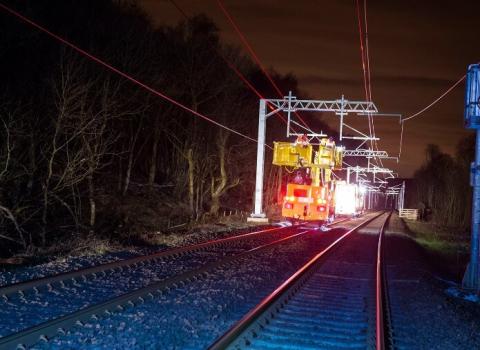
Modern rail grids face intense operational strain from accelerating maintenance schedules and rising cargo tonnages. Deploying mobile traction infrastructure ensures your network avoids costly dark territory during major upgrades. Swartz Engineering builds heavy-duty railway portable power substations inside reinforced steel enclosures to absorb massive line surges while fixed infrastructure gets overhauled.
Key Takeaways
- Deploy within hours to bypass blown wayside transformers immediately.
- Drop modular containers onto gravel beds using standard hydraulic crane rigs.
- Track live thermography remotely using hardened industrial IoT sensor packages.
- Bridge the gap between old standard legacy substations and high-load upgrades.
What Are Railway Portable Power Substations And Why Do They Matter For Rail Resilience?
Mobile substations are transportable electrical rigs designed to deliver immediate traction power right where old fixed systems fail. The reality on the ground is that building a traditional brick-and-mortar substation demands years of civil engineering, zoning battles, and massive capital expenditures. These self-contained mobile units bypass the red tape entirely. They roll in on flatbeds to eliminate systemic downtime during sudden grid blackouts or long-term track expansions.
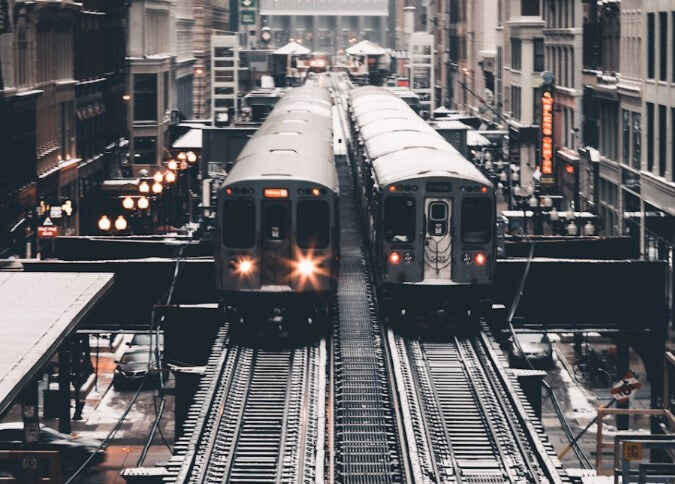
Traditional wayside infrastructure leaves operators vulnerable to massive revenue losses during extended system dropouts. For instance, fixing a blown oil-filled transformer can take months of lead time. Swartz Engineering treats these containerized power assets as permanent strategic infrastructure rather than temporary band-aids. This approach keeps heavy freight lines moving across the congested Chicago rail corridors even during major line drops.
How Do These Mobile Electrical Rigs Protect Rail Network Uptime?
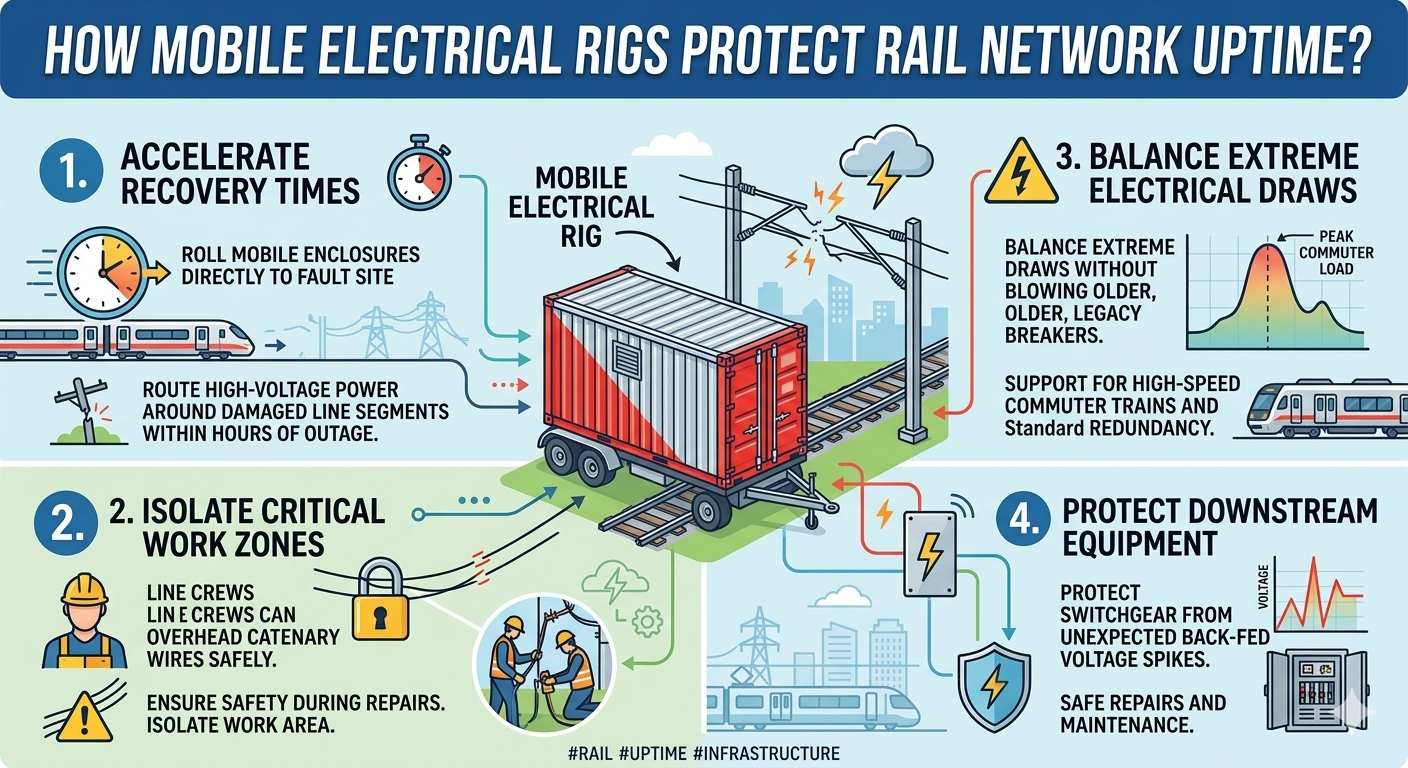
Portable substations maintain schedule reliability by routing high-voltage power around damaged line segments within hours of an outage. When a localized sub-station drops offline, the whole segment faces immediate paralysis. Here is the part most track maintenance supervisors won't tell you: standard line redundancy often fails under peak high-speed commuter loads. Mobile enclosures step in to balance extreme electrical draws without blowing older, legacy line breakers.
- Accelerate recovery times by rolling mobile enclosures directly to the fault site.
- Isolate critical work zones so line crews can replace rotten overhead catenary wires safely.
- Support localized freight surges when heavy multi-engine grain trains tax the local utility.
- Protect downstream switchgear from unexpected back-fed voltage spikes during emergency repairs.
GET IN TOUCH
The ultimate solution for reliable power control! call us at 276-285-3841
What Is The Strategic Framework For Deploying Mobile Substations?
- Site Leveling and Grounding
- Clear a level gravel footprint adjacent to the active catenary line.
- Drive deep copper ground rods to handle massive fault-current distributions safely.
- Catenary Hookup and Calibration
- Connect the heavy-gauge overhead drop cables using insulated hot sticks.
- Calibrate the protective relay settings to match local traction line impedances perfectly.
- Live Load Synchronization
- Energize the onboard vacuum circuit breakers slowly to stabilize incoming utility feeds.
- Monitor line telemetry for localized phase imbalances before releasing the trains.
How Are Different Rail Environments Using Mobile Power Systems?
Heavy Freight Infrastructure
- Provide immediate traction power on steep mountain passes where locomotives pull maximum amperage.
- Prevent thermal overloads on aged wayside transformers during brutal Texas heat waves.
Passenger Transit Corridors
- Maintain strict commute windows while upgrading underground city center distribution hubs.
- Supply supplemental power during massive, short-term regional sports stadium crowds.
How Do Modern Portable Systems Compare To Traditional Fixed Substations?
|
|
|
|
|
|
|
|
|
|
|
|
|
|
|
|
|
|
|
|
Multi-Layered Traction Entities: Key Components Driving System Reliability
- Vacuum Circuit Breakers: Hardened switchgear components that extinguish electrical arcs safely within sealed chambers during line faults.
- Liquid-Cooled Transformers: Heavy-duty power conversion coils submerged in dielectric fluid to dissipate intense thermal energy rapidly.
- Multilevel Converters: Advanced solid-state electronics that smooth out utility voltage fluctuations before energy hits the catenary lines.
A Practical Note on High-Voltage Equipment Maintenance
Here's the part most field engineers learn the hard way: never scrimp on localized air filtration systems when deploying near active diesel mainlines. Particulate carbon from heavy locomotives will clog standard cooling radiators within months. Swartz Engineering utilizes pressurized, sealed equipment bays equipped with heavy-duty dual-stage cyclonic filters to keep fine metallic brake dust away from sensitive microprocessors
GET IN TOUCH
The ultimate solution for reliable power control! call us at 276-285-3841
Putting Your Mobile Traction Power Strategy Into Motion
The strategic shift toward resilient, decentralized rail power ensures your transit corridor remains fully operational during extreme weather events and massive infrastructure overhauls. Swartz Engineering designs high-capacity railway portable power substations to deliver reliable, long-term traction support right where standard utilities buckle under pressure. Book a Call with Swartz Engineering
Frequently Asked Questions
Q: What are railway portable power substations used for?
A: They provide temporary or semi-permanent traction power to electrified tracks during unexpected grid outages, routine maintenance windows, or line expansion projects. These units sit in heavy steel enclosures to protect sensitive high-voltage components from harsh trackside dust. They keep passenger and freight cars moving without requiring expensive permanent construction.
Q: Can mobile power systems run off renewable microgrids?
A: Yes, modern containerized systems connect directly to localized solar arrays, wind turbines, or industrial battery energy storage systems. This allows remote lines to maintain continuous signaling and traction power even when the main utility grid drops completely offline. Hardened automatic transfer switches manage these hybrid inputs seamlessly.
Q: How quickly can a crew hook up a mobile substation?
A: A skilled electrical team can fully connect and energize a pre-tested system within a single afternoon if the site is properly leveled. This speed makes them indispensable assets for emergency disaster recovery operations after major storms.
Q: Do these systems integrate with legacy rail infrastructure?
A: Yes, custom-engineered mobile units match older electrification standards, including low-frequency AC systems and high-amperage DC traction networks. Engineers utilize advanced modular converters to bridge the gap between old wayside gear and new high-efficiency grids.
Q: What is the typical operational lifespan of a containerized substation?
A: These ruggedized mobile units provide reliable field service for over twenty-five years when properly maintained and kept clean. Hardened steel outer shells and advanced climate control loops protect the internal switchgear from extreme environmental degradation.
Products We Offer
Swartz Engineering strives to provide top-quality products to achieve our customer's needs. Our products include:
- Type 76 DC Relay
- Type 82 DC Relay
- Swartz Engineering’s Type 64 Ground Relay
- Type 32 Reverse Current Relay
- Type 150 DC
- CSM Shield Monitor
- Metal Oxide Surge Arrestors
- Transducers
- MVIS SL Slim-line Contactor
- Fully-tested Power Control Rooms
- Swartz Engineering’s Portable Substations
For nearly half a century, we have proudly led the industry in ensuring safety and efficiency. Swartz Engineering is a trusted family-owned company dedicated to providing top-notch power distribution solutions for the electrical industry. Contact us today