
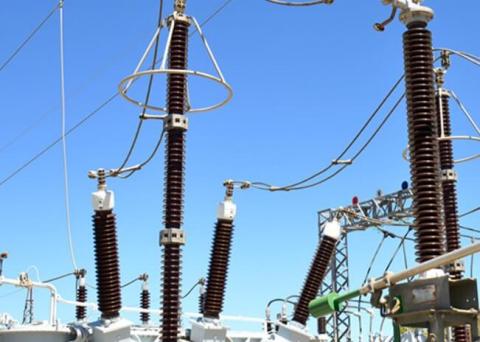
Modern rail infrastructure in the United States relies heavily on electrical and electronic systems to keep trains moving safely and on schedule. Signaling networks, traction power systems, communication lines, and monitoring equipment all depend on stable voltage levels. When electrical surges occur, these systems are often the first to suffer damage. This is why a railway surge arrestor is considered a core component of rail electrical protection, not an optional accessory. At its core, a railway surge arrestor protects rail infrastructure by limiting dangerous voltage spikes and safely redirecting excess energy to ground before it can damage critical equipment. At Swartz Engineering, we work closely with rail operators, contractors, and infrastructure planners across the USA to design and supply surge protection solutions that support safety, reliability, and long-term asset performance.
Key Takeaways
- Electrical surges are a major cause of damage to rail signaling, traction, and communication systems
- A railway surge arrestor diverts excess voltage away from sensitive equipment
- Proper surge protection improves rail safety, system reliability, and uptime
- Swartz Engineering designs surge protection solutions tailored to U.S. rail standards
- Long-term cost savings come from reduced failures, downtime, and maintenance
What Are Electrical Surges in Railway Systems
Electrical surges are sudden increases in voltage that exceed normal operating limits. In rail environments, these surges commonly come from lightning strikes, traction power switching, short circuits, or faults introduced through long cable runs. Even a brief surge lasting microseconds can weaken insulation, degrade components, or cause immediate system failure.
Railways are particularly exposed because they operate outdoors, cover long distances, and rely on interconnected electrical networks. Trackside equipment, substations, and signaling cabinets are often connected by conductive paths that allow surge energy to travel quickly. Without protection, a single surge event can disrupt operations across multiple locations. This vulnerability makes surge protection a fundamental requirement rather than a secondary consideration.
GET IN TOUCH
In a hurry? Call us at 276-285-3841
What Is a railway surge arrestor?
A railway surge arrestor is a specialized protective device designed to control transient overvoltages in rail electrical systems. It monitors voltage levels continuously and remains inactive during normal operation. When a surge occurs, the arrestor reacts almost instantly, limiting the voltage and redirecting excess energy safely to ground.
Unlike general-purpose surge devices, railway surge arrestors are engineered for higher fault currents, repeated surge exposure, and harsh environmental conditions. They are commonly installed at substations, signaling interfaces, communication lines, and trackside enclosures.
Once the surge event ends, the arrestor automatically returns to its non-conductive state, allowing normal system operation to resume uninterrupted.
Key Areas Where Surge Arrestors Protect Rail Infrastructure
A properly applied railway surge arrestor protects multiple layers of rail infrastructure, each of which plays a role in overall system safety and reliability.
Signaling and Control Systems
Rail signaling systems depend on precise and stable voltage levels. Even minor disturbances can cause false indications, dropped communications, or safety system lockouts. Surge arrestors help preserve signal integrity and prevent damage that could lead to unsafe operating conditions or service delays.
Traction Power and Substation Equipment
Traction substations experience frequent switching events and load changes, both of which can generate voltage transients. Surge arrestors protect transformers, rectifiers, switchgear, and power electronics from cumulative electrical stress and sudden failure.
Trackside and Wayside Devices
Track circuits, axle counters, sensors, and monitoring units are often installed in exposed locations. These devices are especially vulnerable to lightning and ground potential rise. A railway surge arrestor helps ensure continued operation during storms and unstable power conditions.
Communication and Data Networks
Modern rail operations rely on uninterrupted data flow. Surge energy entering through communication lines can disrupt dispatch systems and control centers. Proper surge protection reduces downtime and protects network equipment from costly damage.
Why Surge Protection Is Critical for Rail Safety
Electrical damage does not always result in immediate failure. Components weakened by repeated surges may continue operating until they fail unexpectedly. In a rail environment, unexpected failures increase safety risks and operational uncertainty.
A railway surge arrestor reduces these risks by absorbing destructive energy before it reaches safety-critical systems. By stabilizing voltage levels, surge arrestors support predictable system behavior, which is essential for safe train movements and reliable scheduling.
From a regulatory and operational standpoint, surge protection also supports compliance with rail safety standards and best practices used across the USA rail industry.
The Swartz Engineering Approach to Railway Surge Protection
At Swartz Engineering, surge protection is approached as a system-level responsibility, not a standalone product. We work with rail operators and project teams to understand system voltage, grounding conditions, environmental exposure, and operational demands.
Our surge protection services include:
- Selection of railway-rated surge arrestors aligned with U.S. and international standards
- Coordination with signaling, traction, and communication system requirements
- Guidance on proper installation and grounding practices
- Designs that prioritize durability, repeat performance, and low maintenance
This practical, engineering-driven approach ensures that each railway surge arrestor performs as intended throughout its service life.
GET IN TOUCH
In a hurry? Call us at 276-285-3841
Long-Term Cost and Maintenance Benefits
The cost of installing a railway surge arrestor is small when compared to the assets it protects. Without surge protection, rail operators face higher risks of equipment replacement, emergency repairs, and service disruptions.
Effective surge protection helps reduce:
- Unplanned outages and system downtime
- Premature failure of high-value equipment
- Emergency maintenance labor and replacement costs
Over time, these savings add up. Infrastructure lasts longer, maintenance schedules become more predictable, and overall return on investment improves.
Human Reliability and Operational Confidence
Rail infrastructure ultimately serves people—passengers, operators, maintenance crews, and communities. While surge arrestors operate quietly in the background, their impact is visible in fewer delays, smoother operations, and safer rail corridors.
In regions of the USA prone to lightning or power instability, a railway surge arrestor provides an added layer of confidence. It allows rail systems to operate reliably under real-world conditions without exposing safety-critical equipment to unnecessary risk.
Conclusion
As rail systems continue to expand and modernize, electrical protection becomes increasingly important. A railway surge arrestor plays a central role in protecting rail infrastructure from voltage surges that can compromise safety, reliability, and asset life.
At Swartz Engineering, we support rail operators across the USA with surge protection solutions designed for demanding operating environments. By integrating properly engineered railway surge arrestor systems into rail infrastructure, operators can reduce risk, control costs, and maintain dependable performance over the long term.
Frequently Asked Questions
What does a railway surge arrestor do?
A railway surge arrestor limits dangerous voltage spikes by diverting excess electrical energy safely to ground, protecting sensitive rail equipment.
Where are surge arrestors typically installed in rail systems?
They are commonly installed at substations, signaling interfaces, communication lines, and trackside equipment enclosures.
Are railway surge arrestors different from standard industrial arrestors?
Yes. railway surge arrestors are designed to handle higher fault currents, repeated surge events, and harsh outdoor conditions.
Can surge damage occur without a visible system failure?
Yes. Repeated surges can weaken components over time, leading to unexpected failures later.
How does Swartz Engineering support surge protection projects?
Swartz Engineering provides system-specific surge protection design, product selection, and installation guidance tailored to U.S. rail infrastructure requirements.
Products We Offer
Swartz Engineering strives to provide top-quality products to achieve our customer's needs. Our products include:
- Type 76 DC Relay
- Type 82 DC Relay
- Swartz Engineering’s Type 64 Ground Relay
- Type 32 Reverse Current Relay
- Type 150 DC
- CSM Shield Monitor
- Metal Oxide Surge Arrestors
- Transducers
- MVIS SL Slim-line Contactor
- Fully-tested Power Control Rooms
- Swartz Engineering’s Portable Substations
For nearly half a century, we have proudly led the industry in ensuring safety and efficiency. Swartz Engineering is a trusted family-owned company dedicated to providing top-notch power distribution solutions for the electrical industry. Contact us today!