
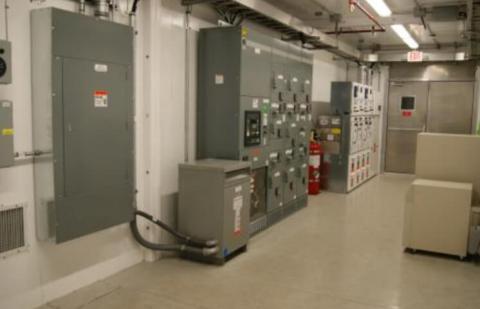
Modern railway systems are electrical beasts. Between the overhead catenary lines, signaling relays, and constant communication pings, there is zero margin for a blackout. When the grid fluctuates in the heavy industrial corridors of the United States, the power station control room is the only thing standing between a smooth commute and a logistical nightmare.
Key Takeaways
- Centralized Command: The control room acts as the "brain," consolidating data from every substation and transformer.
- Predictive Response: Real-time monitoring allows crews to kill a fault before it kills the schedule.
- Ergonomic Survival: High-stakes environments require consoles designed for 24/7 operator focus, not just aesthetics.
- Integrated SCADA: Modern systems move beyond simple alerts to provide actionable, automated data filtering.
- Swartz Engineering Expertise: We build the environments that keep the nation's rail power grounded and operational.
Why is a Power Station Control Room Critical for Rail?
A power station control room acts as the operational nerve center, allowing teams to monitor high-voltage distribution, signaling power, and trackside infrastructure from a single point. Without this centralized visibility, a minor voltage spike at a remote substation can cascade into a full-blown line failure before a field tech even gets the truck started.
Railway infrastructure lives or dies by the stability of its juice. If the signals go dark or the switches lose tension, the whole line freezes. Inside a modern command center, we aren't just looking at blinking lights; we are tracking:
- Substation Load: Monitoring real-time draw to prevent transformer meltdowns.
- Fault Localization: Pinpointing exactly where a line grounded out in the field.
- Environmental Flux: Tracking how external heat or moisture impacts trackside gear.
- Emergency Alerting: Stripping away the "noise" so operators see the one alarm that actually matters.
In heavy-traffic zones, this level of oversight isn't a luxury—it’s the baseline for survival. One missed fault can stall a hundred trains. We build these rooms so that it never happens.
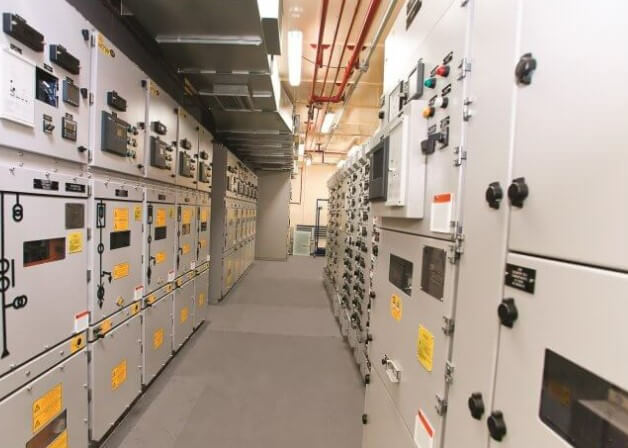
CONTACT US
Take the first step towards powering up your operations! call us at 276-285-3841
What Technologies Define a Modern Power Station Control Room?
Modern control rooms have ditched the old analog gauges for high-density digital display walls, SCADA platforms, and intelligent alarm management systems. These tools allow a single operator to oversee massive geographical stretches of rail with surgical precision, reducing the "human error" factor that plagues legacy systems.
The tech stack in a modern power station control room has to be rugged and redundant. You can't rely on consumer-grade hardware when the city's transit depends on you.
The Strategic Framework for Control Room Tech
- Visual Domination (Video Walls):
- Deploy large-scale LED or LCD arrays for "big picture" network status.
- Map out every feeder line and transformer in a high-contrast digital twin.
- SCADA Integration:
- Connect field sensors to a centralized Supervisory Control and Data Acquisition hub.
- Execute remote switching and load balancing without leaving the desk.
- Intelligent Alarm Filtering:
- Program the system to suppress "nuisance" alarms during routine maintenance.
- Prioritize critical safety violations with visual and auditory "force-feedback."
How Does Real-Time Monitoring Protect Passenger Safety?
Real-time monitoring provides the instant visibility needed to detect overheating transformers or electrical faults before they cause a catastrophic derailment or fire. By catching a surge in its infancy, operators can reroute power or trip a breaker remotely, keeping the passengers and the equipment out of harm's way.
On the floor, this means moving from "fix it when it breaks" to "fix it before it fails."
Safety Priorities:
- Instant Fault Detection: If a line drops, you know in milliseconds, not minutes.
- Thermal Guardrails: Sensors alert the desk the moment a transformer starts running hot.
- Network Balancing: Shifting the load during peak hours to prevent a localized blackout.
Expert Perspective: Most contractors focus on the screens. We focus on the "eyes-on" time. If your operator has to squint to see a critical voltage drop because of glare from a poorly placed window, your engineering has failed. Grit matters—design the room for the 3 a.m. shift, not the midday tour.
Can Advanced Design Improve Emergency Response Times?
Yes, an engineered control room layout streamlines communication and data access, allowing operators to coordinate with field crews and transit authorities during a crisis. When a storm hits the East Coast or a line goes down, the control room becomes the "war room" where every second saved equals thousands of dollars in preserved service.
Comparison: Legacy vs. Modern Control Environments
|
|
|
|
|
|
|
|
|
|
|
|
|
|
|
|
|
|
|
|
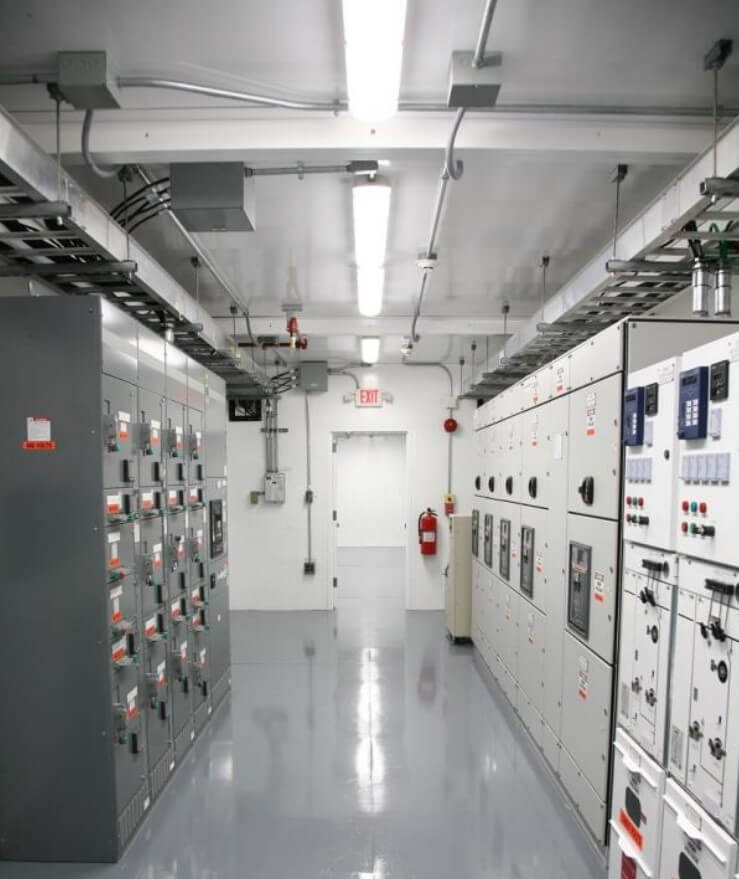
CONTACT US
Take the first step towards powering up your operations! call us at 276-285-3841
Why Is Human-Centered Design Essential for Power Operators?
Human-centered design focuses on ergonomics, lighting, and acoustics to ensure that operators stay sharp and focused during 12-hour shifts. Even the most advanced software is useless if the person running it is exhausted, distracted by noise, or blinded by poor screen placement.
Technical Entity Grounding:
- Luminance Contrast: Managing the ratio between screen brightness and ambient room light to prevent "monitor burn."
- Acoustic Dampening: Using specialized materials to keep the hum of servers from distracting the dispatchers.
- SIT-STAND Consoles: Industrial-grade workstations that allow operators to change posture without losing sight of the monitors.
- Nadir Angle: Calculating the perfect viewing angle so an operator can see the entire video wall without neck strain.
What Does the Future Look Like for Railway Power Control?
The next generation of railway power centers will integrate Artificial Intelligence (AI) for predictive maintenance and Digital Twin simulations for stress-testing. We are moving toward a world where the system tells the operator which part will fail next week, based on current vibration and heat signatures.
Future-Proofing Your Infrastructure
- AI Analytics: Using machine learning to spot "ghost" patterns in power consumption that signal equipment decay.
- Digital Twin Tech: Running a "what-if" scenario on a virtual track before you ever flip a physical switch.
- Cyber-Hardening: Bolstering the NERC-CIP compliance of every node in the network to stop bad actors.
Ready to Secure Your Railway Power Operations?
Keeping the lights on and the trains moving requires more than just high-voltage hardware; it requires a command center that works as hard as your field crews do. At Swartz Engineering, we don't just sell furniture and screens. We build the tactical environments that ensure your power station control room is a fortress of reliability.
If you’re ready to upgrade your visibility and slash your response times with a build that's as "boots on the ground" as your best foreman, we’re ready to design it.
Frequently Asked Questions
What exactly happens inside a railway power station control room?
It is the central point where technicians use SCADA systems to monitor electricity flow across the tracks. They manage substations, handle emergency power rerouting, and ensure the signaling systems have a constant, clean power supply to prevent train collisions.
How does a modern control room reduce operational costs?
By using predictive analytics and real-time monitoring, you can identify inefficient equipment and schedule maintenance during off-peak hours. This prevents "emergency" overtime rates and extends the lifespan of expensive transformers and switchgear.
Can Swartz Engineering retrofit an existing old facility?
Absolutely. We specialize in pulling legacy systems into the digital age. We can integrate modern SCADA displays and ergonomic workstations into existing footprints, minimizing downtime while maximizing your tech capabilities.
What is the most important tech in a control room?
While the SCADA software is the engine, the "Interface" (the video wall and consoles) is what matters for safety. If the operator can't see the data clearly or act on it quickly, the software's power is wasted.
Is cybersecurity a concern for rail power control?
It is the top priority. Modern control rooms must be built with air-gapped systems or heavy encryption to ensure that the electrical grid powering our transit remains shielded from external digital threats.
Our Expert Services
Swartz Engineering provides top-quality products to achieve our customers' needs. We also make sure our products work reliably and safely. Our products include:
- Type 76 DC Relay
- Type 82 DC Relay
- Swartz Engineering’s Type 64 Ground Relay
- Type 32 Reverse Current Relay
- Type 150 DC
- CSM Shield Monitor
- Metal Oxide Surge Arrestors
- Transducers
- MVIS SL Slim-line Contactor
- Fully-tested Power Control Rooms
- Swartz Engineering’s Portable Substations
Contact Us
If you have a need for regular mobile power solutions, backups, or temporary power solutions, Swartz Engineering can deliver the crucial systems in a custom build for your needs. Contact us today to learn more about our mobile substation designs.