
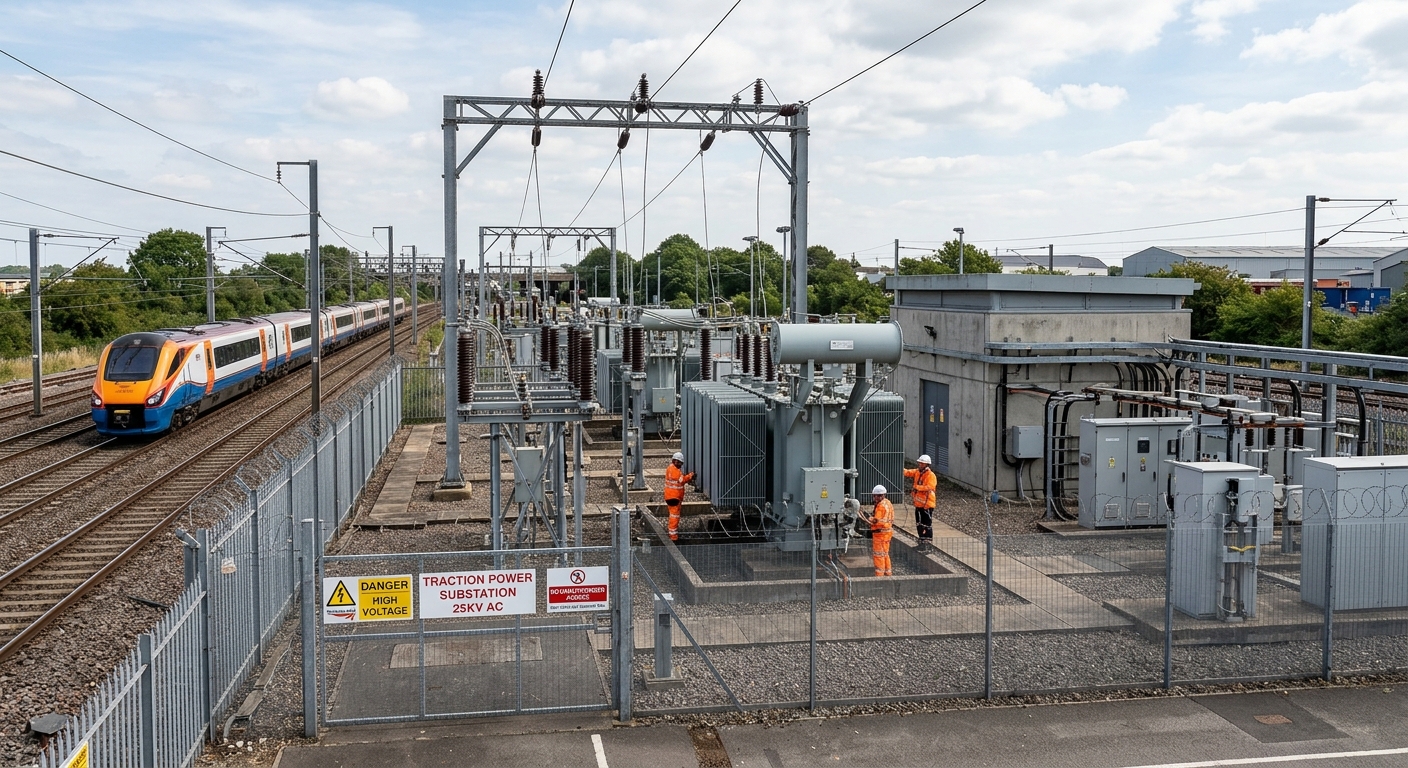
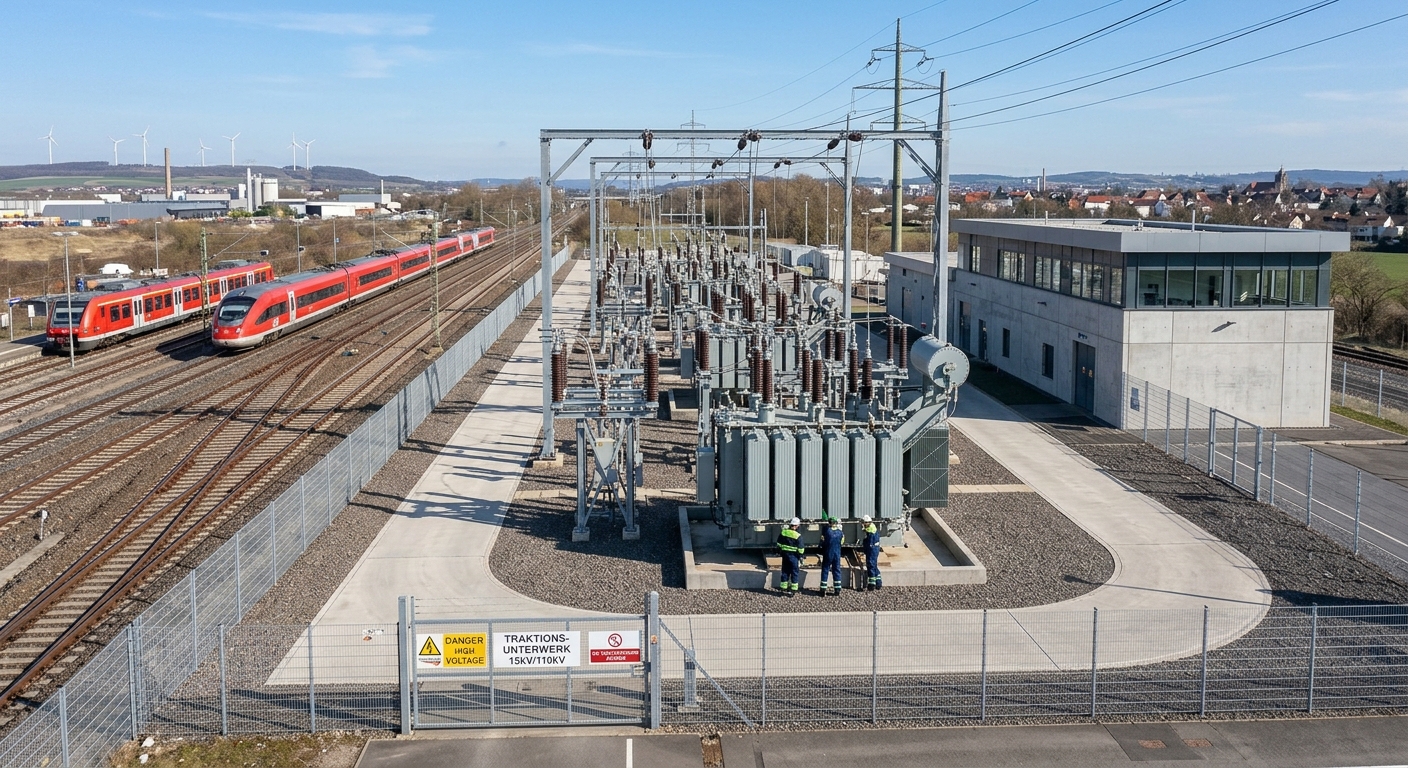
A traction power substation receives electrical power from a utility and adapts it to the requirements of an electrified rail system. Depending on the railway’s design, the substation may transform voltage, convert AC power to DC, and distribute power to overhead lines or a third rail.
The exact equipment depends on the system. A DC traction substation commonly includes transformers, rectifiers, switchgear, and protection and control equipment. AC rail systems use equipment configured for their own power requirements.
Swartz Engineering supplies electrical power distribution products for railway and transit applications, including DC relays, transducers, surge arresters, power control rooms, and portable substations. Contact our team to discuss your project requirements and the products that may fit your application.
Key Takeaways
- A traction power substation adapts utility power to a railway’s electrical requirements.
- DC systems commonly use rectifiers; AC systems may use a different configuration.
- Transformer, switchgear, protection, control, and distribution needs depend on the rail system.
- Overhead catenary systems and third-rail systems use different methods to deliver power to trains.
- Equipment selection should account for system voltage, operating demands, protection needs, and site conditions.
What Does a Traction Power Substation Do?
A traction power substation prepares and distributes electricity for rail operations. It connects the utility supply to the railway’s traction power system and helps deliver power in the form and range required by the trains.
In a DC system, a transformer may adjust the incoming AC voltage before a rectifier converts it to DC. Switchgear and protection equipment help control and monitor the electrical supply. The configuration varies by railway, so a substation’s equipment should be selected for the project’s specific system.
GET IN TOUCH
The ultimate solution for reliable power control! call us at 276-285-3841
What Equipment Can a Traction Power Substation Include?
A traction power substation may include:
- Transformers to change voltage levels
- Rectifiers in systems that convert AC utility power to DC traction power
- AC and DC switchgear for switching and distribution
- Protective relays to monitor electrical conditions and support fault response
- Control and monitoring equipment for local or remote operation
- Surge protection to help protect electrical equipment
- Auxiliary power equipment for substation control and support systems
The equipment list depends on the railway’s electrical design. For example, the Federal Transit Administration’s overview of DC substations includes a rectifier transformer, traction rectifier, DC distribution switchgear, protection and control equipment, and auxiliary power components.
How Does Substation Power Reach the Train?
Rail systems commonly deliver traction power through overhead conductors or a third rail. Trains collect power from overhead wires using pantographs. In third-rail systems, collector shoes mounted on the train contact the conductor rail.
The substation and the railway’s distribution equipment work together to deliver power along the route. The layout and equipment depend on factors such as the railway’s voltage, train demand, track arrangement, and electrical design.
What Should Project Teams Consider When Selecting Equipment?
Start with the railway’s electrical requirements and existing infrastructure. Project teams typically need to define:
- Whether the traction system uses AC or DC
- Required voltage and expected operating demand
- Protection, switching, control, and monitoring needs
- How equipment will connect with existing systems
- Available space and site conditions
- Maintenance access and project-specific requirements
These details help determine which equipment and configuration are appropriate. Swartz Engineering’s published product range includes DC relays, transducers, metal-oxide surge arresters, contactors, power control rooms, and portable substations.
GET IN TOUCH
The ultimate solution for reliable power control! call us at 276-285-3841
Frequently Asked Questions
Q: What is the purpose of a traction power substation?
A: A traction power substation receives utility power, adapts it to a railway’s electrical requirements, and supplies power to the rail system’s distribution network.
Q: Does every traction power substation convert AC to DC?
A: No. DC traction systems commonly use rectifiers to convert AC utility power to DC. AC rail systems use equipment suited to their own power requirements.
Q: What is the difference between overhead and third-rail power?
A: Overhead systems deliver power through wires above the track, which trains collect with pantographs. Third-rail systems use a conductor rail beside the track, which trains collect with shoes.
Q: What traction power equipment does Swartz Engineering offer?
A: Swartz Engineering’s listed products include DC relays, a reverse current relay, transducers, surge arresters, contactors, power control rooms, and portable substations. Contact the team to discuss which products may suit a specific project.
Discuss Your Railway Power Requirements
Are you seeking a reliable, experienced engineering firm to design and implement your traction power substation? Swartz Engineering got you covered!
At Swartz Engineering, we understand the critical role that TPSS plays in the smooth and efficient operation of an electrified railway system. That's why we implement custom TPSS solutions that meet our customer's specific needs and requirements. Contact us today!
Products We Offer
Swartz Engineering strives to provide top-quality products to achieve our customer's needs. Our products include:
- Type 76 DC Relay
- Type 82 DC Relay
- Swartz Engineering’s Type 64 Ground Relay
- Type 32 Reverse Current Relay
- Type 150 DC
- CSM Shield Monitor
- Metal Oxide Surge Arrestors
- Transducers
- MVIS SL Slim-line Contactor
- Fully-tested Power Control Rooms
- Swartz Engineering’s Portable Substations
For nearly half a century, we have proudly led the industry in ensuring safety and efficiency. Swartz Engineering is a trusted family-owned company dedicated to providing top-notch power distribution solutions for the electrical industry. Contact us today.