Rail systems across the United States live and die by the reliability of their electrical infrastructure. Without a power distribution network built to withstand modern demands, even the sleekest locomotives are just expensive lawn ornaments. Upgrading this core infrastructure isn’t just a "nice to have"—it’s a tactical necessity for rail operators who need to kill downtime, slash overhead, and stay on schedule in an increasingly unforgiving market.
Key Takeaways
- Downtime Elimination: Modernized networks use automated switching to keep voltage moving when a component fails.
- Predictive Maintenance: IoT sensors identify thermal spikes or load imbalances before they trigger a catastrophic system blow-out.
- Energy ROI: Intelligent load balancing ensures you aren't paying for wasted "vampire" power during low-traffic hours.
- Future-Proofing: Scalable substation architecture allows for rapid expansion as electrification demands grow.
Why Is a Modern Power Distribution Network Critical for Rail Efficiency?
A modern power distribution network serves as the central nervous system of any rail operation, managing high-voltage loads with surgical precision. Legacy systems are often "dumb" grids that deliver fixed power regardless of real-time demand, leading to massive energy waste and equipment strain. By integrating smart switching and real-time monitoring, Swartz Engineering ensures that electricity flows exactly where it’s needed, when it’s needed, across the unique geography of the United States.
The Strategic Framework: Rebuilding the Rail Backbone
Modernizing a rail grid isn't about slapping on new paint; it's a phased tactical overhaul that prioritizes uptime.
- The Diagnostic Audit
- Map existing load profiles to identify "hot spots" where transformers are redlining.
- Inspect vintage switchgear for mechanical fatigue and arc-flash risks.
- Intelligent Node Deployment
- Install IoT-enabled sensors at every critical junction point.
- Establish a centralized "Single Pane of Glass" dashboard for real-time telemetry.
- Substation Hardening
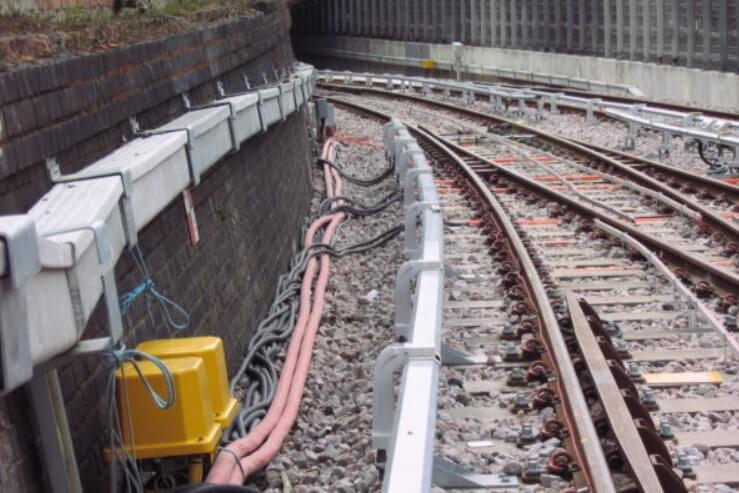
- Replace aging copper with high-efficiency alloys to minimize line loss.
- Implement redundant power pathways that engage automatically during a localized fault.
CONTACT US
Take the first step towards powering up your operations! call us at 276-285-3841
Operational Impact Clusters
Risk Mitigation
- Redundancy: Dual-feed systems ensure the train keeps rolling if a primary substation takes a hit.
- Arc Flash Safety: Modernized enclosures keep your boots-on-the-ground crew safe during routine maintenance.
Economic Growth
- Operational Expense (OpEx): Reduced energy waste translates directly to lower monthly utility bills.
- Asset Longevity: Steady voltage levels prevent "fried" locomotive electronics, extending the life of your fleet.
Traditional Grids vs. Modern Distribution
|
|
|
|
|
|
|
|
|
|
|
|
|
|
|
|
|
|
|
|
Critical Industry Entities
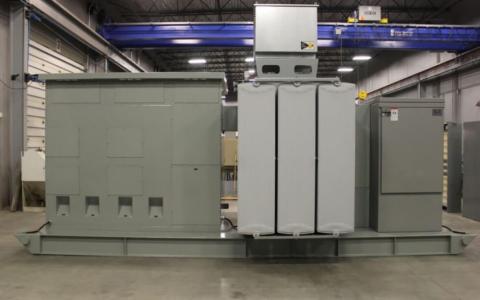
- Traction Power Substation (TPSS): The localized hub that converts utility AC power to the DC or AC used by trains.
- SCADA Systems: The digital brain that allows operators to remotely control a power distribution network from miles away.
- O.C.G.A. Compliance: Adhering to regional electrical standards to ensure safety and legal operation.
- Catenary Lines: The overhead wire system that requires constant tensioning and steady voltage to prevent "snap-back" failures.
Expert Perspective: The Reality of "Ghost Loads"
Pro Tip: Most U.S. rail operators are losing 12-15% of their budget to "ghost loads"—electricity that disappears into heat because of aging transformers. We’ve found that upgrading to amorphous core transformers can pay for itself in under 36 months just in energy savings alone. Don't let your budget bleed out through the wires.
How Does Swartz Engineering Solve Electrification Challenges?
We build systems that don't just handle today's tonnage but are ready for the high-capacity demands of tomorrow’s electric fleets. As the United States moves away from diesel, the strain on the power distribution network is going to triple. Swartz Engineering designs modular substations that can be upgraded in sections, allowing you to increase capacity without tearing up the tracks or shutting down the line for months on end.
CONTACT US
Take the first step towards powering up your operations! call us at 276-285-3841
Ready to Harden Your Infrastructure?
If you're tired of chasing phantom faults in a 40-year-old system, it's time to build a foundation that actually works. Swartz Engineering delivers the grit, the gear, and the ground-level expertise to modernize your rail operations across the United States. We don't just sell components; we build a power distribution network that keeps your revenue moving.
- Schedule a Site Audit: We'll put boots on the ground to find your system's weakest links.
- Review the Blueprint: Get a custom-engineered roadmap for modular upgrades.
- Execute with Zero Downtime: We specialize in "hot-swaps" that keep your trains on schedule.
Frequently Asked Questions
Q: What is the primary cause of rail power failure?
A: Most failures stem from "thermal fatigue" in aging switchgear and insulators that haven't been inspected in decades. A modern system catches these heat spikes before they lead to a meltdown.
Q: Can we upgrade while the trains are running?
A: Absolutely. We utilize modular deployment and bypass circuits to ensure the power distribution network remains live during the modernization process.
Q: How does smart monitoring save money?
A: It shifts you from "Reactive" to "Predictive" maintenance. Fixing a worn contactor for $500 is a lot cheaper than replacing a $50,000 transformer that exploded because of a $500 part.
Q: Is this compatible with existing SCADA systems?
A: Yes. Our hardware is designed with open-architecture protocols to ensure it talks to your existing control room software without requiring a total digital overhaul.
Q: Why choose Swartz Engineering for U.S. projects?
A: We understand the specific environmental stressors of the U.S. climate—from the humidity of the South to the freeze-thaw cycles of the North—and we build our gear to survive it all.