
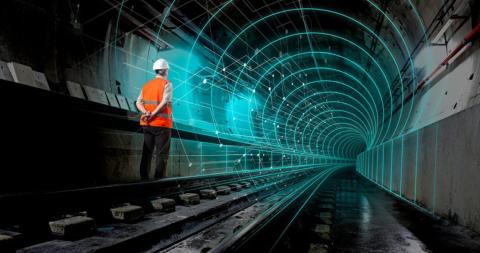
Rail operators today face a clear challenge: how do you improve reliability, reduce costs, and keep up with growing demand without rebuilding your entire infrastructure? The answer is centralized power management. By consolidating control of electrical systems into a single platform, rail networks gain real-time visibility, faster response to issues, and better overall efficiency.
For U.S.-based operators, Swartz Engineering has become a trusted partner in delivering these upgrades—helping modernize rail systems without unnecessary disruption.
- Network Visibility: Centralized power gives operators full network visibility in real time.
- Fault Resolution: It improves reliability by detecting and resolving faults faster.
- Load Balancing: Energy efficiency increases through better load balancing.
- Predictive Care: Maintenance becomes proactive instead of reactive.
- Scalable Tech: Swartz Engineering provides scalable solutions tailored to U.S. rail systems.
Why Are Traditional Rail Power Systems Failing Modern Demands?
Legacy rail power setups were built for a different era, relying on decentralized substations that act as isolated islands. While these systems still function, they are far from optimal for high-capacity corridors. Fragmented monitoring and manual overrides lead to energy waste, slower response times during outages, and labor-intensive maintenance routines that eat into tight municipal budgets.
Operational Hurdles
- Fragmented Monitoring: Tracking performance across multiple remote locations.
- Response Lags: Slower response times during critical power outages.
- Energy Waste: Higher energy waste due to poor load balancing.
- Manual Labor: Labor-intensive maintenance routines that drain resources.
As rail systems expand across the United States—especially in urban transit and freight corridors—these inefficiencies become more expensive and harder to manage. A centralized power approach addresses these gaps directly by pulling every data point into a single, actionable dashboard.
CONTACT US
Take the first step towards powering up your operations! call us at 276-285-3841
What Is Centralized Power Management In A Rail Context?
Centralized power management integrates every electrical control system into one unified, machine-readable platform. Instead of dispatching a crew to manage each substation separately, operators oversee the entire network from a central interface. This setup utilizes real-time monitoring, remote substation control, and automated fault isolation to ensure that one localized short doesn't paralyze the entire line.
The Strategic Framework: 4 Phases of Power Integration
- System Audit & Baseline: We strip back the layers of your existing DC switchgear and legacy SCADA to find the bottlenecks.
- Hardware Synchronization: Installing smart sensors and communication gateways that "talk" to every breaker in the yard.
- Command Center Deployment: Launching a unified interface that provides a "God's-eye view" of your total energy consumption.
- Automated Optimization: Setting logic parameters so the system balances loads automatically during peak transit hours.
How Does Swartz Engineering Modernize U.S. Rail Infrastructure?
Swartz Engineering specializes in practical, field-ready solutions for rail operators across the United States. Our approach isn't about gutting your yard and starting over; it’s about tactical improvements to what already exists. We integrate new-age centralized power controls into legacy infrastructure, reducing downtime and lowering the capital costs typically associated with massive system overhauls.
Implementation Clusters
- Substation Automation: Upgrading manual breakers with automated digital controls.
- SCADA Integration: Merging disparate data streams into a single source of truth.
- Legacy Bridging: Custom engineering to make 40-year-old equipment work with modern software.
|
|
|
|
|
|
|
|
|
|
|
|
|
|
|
|
|
|
|
|
What Are The Primary Benefits Of Centralized Control?
The biggest win is operational efficiency, allowing operators to monitor energy usage across the entire network instantly. This allows for better load distribution and faster operational decisions. Over time, even small efficiency gains in high-voltage environments add up to significant savings. Furthermore, centralized systems help by detecting faults in real time and automatically isolating problem areas.
High-Density Infrastructure Entities
- Traction Power Substations (TPSS): The backbone units providing juice to the third rail or overhead catenary.
- SCADA Systems: The nervous system that allows for supervisory control and data acquisition.
- Load Shedding: The process of intentionally dropping non-essential loads to protect the grid.
- Protective Relaying: High-speed sensing devices that trip breakers during electrical faults.
Is Centralized Power The Key To Long-Term Cost Savings?
Upgrading to centralized power requires investment, but the return is measurable through reduced emergency repairs and lower energy consumption. For large U.S. rail networks, these savings are substantial. Maintenance teams no longer need to rely on routine manual checks; instead, equipment health is monitored continuously. Predictive analytics flag potential failures before they cause a service interruption, extending the lifespan of expensive switchgear.
Expert Perspective: The "Grit" Factor
Most consultants look at a screen; we look at the copper. In the humid tunnels of a metro system or the sun-baked freight lines of the Southwest, hardware fails differently. The "pro tip" here is to ensure your centralized power software is hardened for localized environmental stressors. If your software doesn't account for heat-related resistance changes in the rail, you're not getting the full picture.
CONTACT US
Take the first step towards powering up your operations! call us at 276-285-3841
How Do Real-World Rail Networks Apply These Systems?
Centralized power systems are already proving their worth across various U.S. transit and freight corridors. Urban transit systems use them to maintain consistent service during peak hours, while freight rail corridors ensure stable power across long distances to protect supply chains. Even commuter rail networks see an immediate boost in on-time performance because they aren't chasing phantom power surges across ten different substations.
Scalability Clusters
- Urban Transit: Maintaining service during 5 p.m. surges in the Northeast Corridor.
- Freight Lines: Protecting heavy-haul supply chains from unexpected substation trips.
- Commuter Rail: Improving the "on-time" metrics that keep stakeholders happy.
Why Is Now The Time To Upgrade Your Rail Power?
With increasing demand for public transportation and pressure to reduce energy emissions, modernization is no longer a luxury. Advancements in digital control systems mean that the barrier to entry for centralized power is lower than it was a decade ago. For many U.S. rail agencies, upgrading is a strategic necessity to meet regulatory expectations while improving service quality for the thousands of passengers who rely on them daily.
Putting Your Centralized Power Strategy into Motion
Transitioning to a centralized model is about more than just software; it’s about giving your operators the tools to make better decisions under pressure. Swartz Engineering designs these systems with the "boots on the ground" in mind—interfaces are clear, data is actionable, and the tech is rugged enough for the yard. By evaluates your current system's risk points now, you prevent the catastrophic failures of tomorrow.
Ready To Modernize Your Infrastructure?
Call now to schedule your field audit or discuss your centralized power requirements with a Swartz engineer today.
Frequently Asked Questions
What is centralized power in railway systems?
It is the integration of all electrical monitoring and control functions into a single platform. This allows rail operators to manage multiple substations from one location, providing a holistic view of the network’s health and energy consumption.
How does centralized power improve rail reliability?
By using automated fault detection, the system can identify a short circuit or surge instantly. It can then isolate that specific section of the track, preventing a localized issue from causing a total system blackout.
Is centralized power expensive to implement?
While there is an initial capital expenditure, the ROI is found in reduced labor costs, lower energy bills, and fewer emergency repair calls. Most agencies see the system pay for itself through extended equipment life.
Can centralized systems work with older rail infrastructure?
Yes, Swartz Engineering specializes in bridging the gap between legacy hardware and modern digital controls. We use gateway devices to extract data from older breakers and feed it into a centralized dashboard.
What types of rail systems benefit most?
Any network with high traffic or multiple substations—including metro transit, heavy freight lines, and commuter rails—will see immediate improvements in operational uptime and safety metrics.